
 Now on Shopify
Think about the last time you walked down a shopping street. What made you step into one store and not another? Usually it was the window display – the lighting, the styling, the way products were presented together. That’s visual merchandising, and it works because people respond to visual cues faster than to words.
Online, there’s no shop window – but the same principles apply. This guide explains what online visual merchandising is, why it matters now, and how to apply it to your ecommerce store.
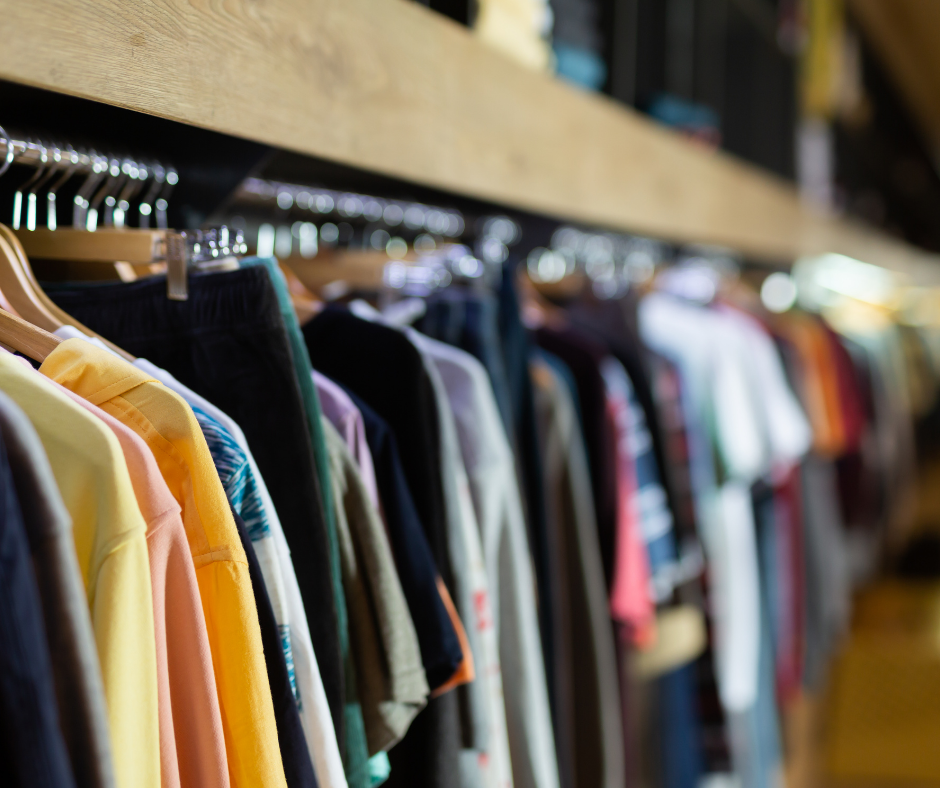
What is online visual merchandising?
Online visual merchandising (also called digital visual merchandising or ecommerce merchandising) is the practice of using visual elements on a website or app – images, video, layout, product order and navigation – to guide shoppers, improve their experience and increase conversion rate.
In a physical store, merchandisers decide what goes in the window, which products sit at eye level and how the store flows. Online, the equivalents are your home page, category pages, product grid order, product imagery and the way products are recommended.
Why online visual merchandising matters now
- Shoppers can’t touch the product. Visuals have to carry the whole sensory experience.
- Attention spans are short. On mobile, you have seconds to show something relevant before the shopper scrolls away.
- Shoppers are used to social media. Stories and swipeable feeds have set the standard for how people want to browse.
- Every store looks similar. Strong visual merchandising is one of the clearest ways to stand out from competitors on the same platform and theme.
Visual merchandising in-store vs. online
- Window display → home page hero and featured collections
- Store layout and signage → navigation, menus and filters
- Eye-level shelves → the first rows of your category pages
- Mannequins and styled outfits → lifestyle images and “complete the look”
- Sales assistant → search and personalized recommendations
8 online visual merchandising techniques
1. Design your home page like a window display
Lead with one strong message and a few hero products or collections rather than everything at once.
2. Make navigation intuitive
Product discovery has to be fast. Use clear menu labels, useful filters and a search bar that handles typos and synonyms.
3. Control the product order
The first products in a category get the most attention. Put best sellers, new arrivals and in-stock items at the top, and review the order regularly.
4. Use lifestyle imagery and video
Show products in context – worn, used, styled. Combine packshots with lifestyle shots so shoppers understand scale and feel.
5. Group products into stories
Curated edits (“the summer edit”, “gifts under $50”, “complete the look”) work like a styled display table and help shoppers buy more than one item.
6. Design for mobile first
Mobile-first UX, fast loading and thumb-friendly layouts on home, category and product detail pages are now the baseline.
7. Personalize recommendations
Shoppers love options – especially relevant ones. Personalized recommendations act like a good sales assistant who remembers what the customer likes. More on this in why personalization matters.
8. Measure and refine
Track clicks on featured products, product views per session and conversion by category, and test new layouts against the current ones.
How Poloriz brings visual merchandising to your store
Poloriz automatically turns your product images into story-style product discovery – an online “window display” shoppers can swipe through on mobile, with every product one tap from the cart. Combined with personalized recommendations and the floating bubble, it helps your storefront invite shoppers in, just like a great window on 5th Avenue. See examples in our case studies.
Frequently asked questions
What is online visual merchandising?
It’s the use of images, video, layout and product presentation on an ecommerce site to guide shoppers and increase sales – the online version of window displays and in-store merchandising.
What is the difference between visual merchandising and ecommerce merchandising?
Ecommerce merchandising covers all decisions about which products to show and where; visual merchandising focuses on how they look and are presented.
Why is visual merchandising important for online stores?
Because shoppers can’t see or touch products in person, visuals are what build desire and trust. Good visual merchandising helps shoppers find products faster and buy more.
Want to see it on your own store? Request a demo and we’ll show you how Poloriz looks with your products.